

The History of Nissan's Iconic Z Series
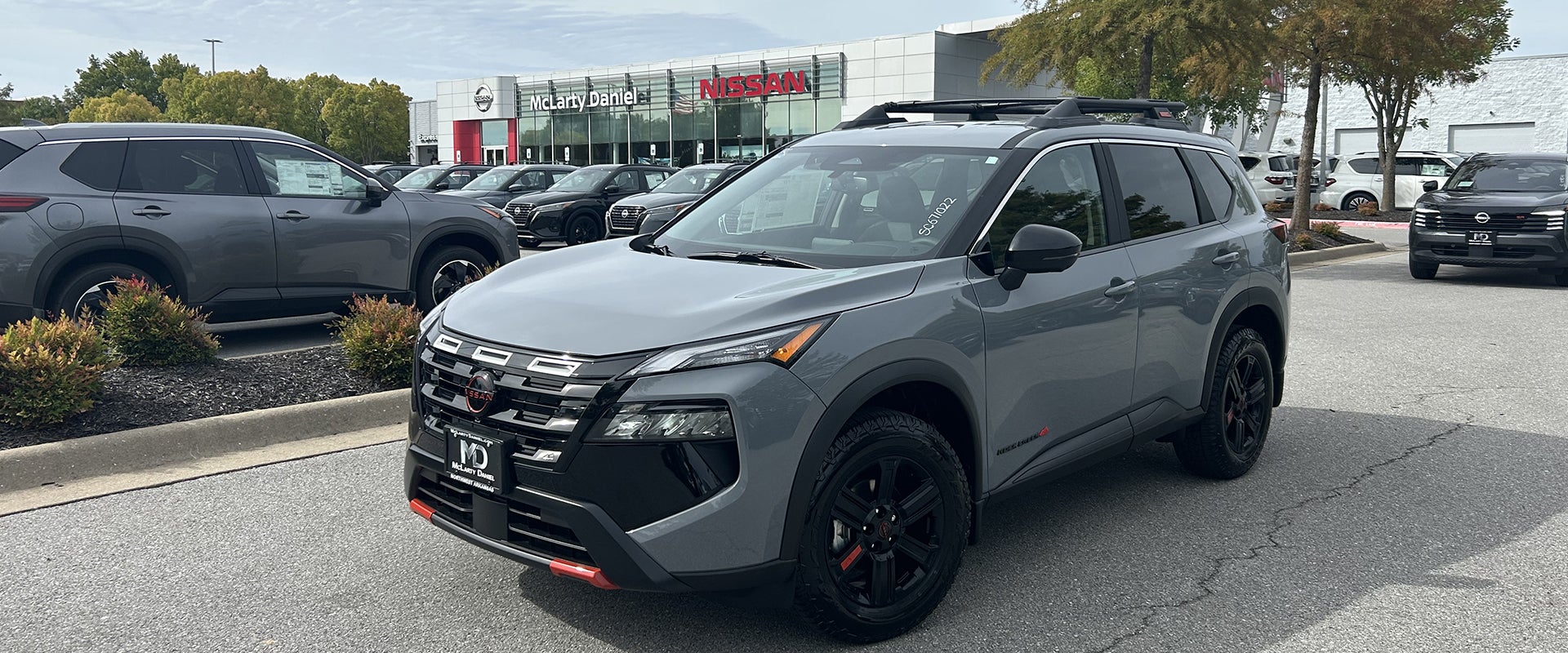
Cargo Space That Works for You The Nissan Rogue offers a spacious interior designed for both passengers and cargo. With the rear seats up, you get 36.5 cubic feet of cargo space—enough for multiple suitcases, camping gear, or sports equipment. Need more room? Fold down the second-row seats to expand your cargo capacity to a whopping 74.1 cubic feet! That's enough to fit: A full set of golf clubs, plus weekend luggage for four Camping gear, including a tent, cooler, and chairs A full-size stroller, diaper bags, and travel essentials for families Several large storage bins for a big move or home project Why the Rogue Works So Well Packing Tips for Your Road Trip 1. Use the Divide-N-Hide Storage System One of the Rogue's best features is the Divide-N-Hide cargo system, allowing you to create compartments and store items more securely. Use the lower compartments for valuables, emergency kits, or shoes, and keep everyday essentials easily accessible on top. 2. Pack in Soft Bags Instead of Hard Suitcases Duffel bags and soft-sided luggage take up less space than rigid suitcases. They can be stacked, squeezed into tight corners, and shifted around as needed. 3. Roll, Don't Fold Rolling your clothes instead of folding them saves space and prevents wrinkles. Bonus: This makes it easier to pack a carry-on bag if you're planning stops along the way. 4. Maximize Under-Seat and Door Storage The Nissan Rogue has plenty of small storage compartments in the doors and under seats. Use these spaces for smaller essentials like snacks, chargers, and first-aid kits. 5. Keep Heavy Items Low and Balanced For a smooth and stable ride, place heavier items (coolers, large suitcases) low and towards the center of the vehicle. This helps maintain balance and improves fuel efficiency. 6. Use Packing Cubes for Organization If you're traveling with family or a group, packing cubes can help keep everyone's belongings organized. Assign a different color cube to each person to make finding items a breeze. Real-World Packing Examples To give you a better idea of what you can fit inside a Nissan Rogue, here are a few real-world packing scenarios: Weekend Getaway for Two – Two carry-on suitcases, a cooler, a duffel bag, a backpack, and a small pet crate. Family Road Trip – One large suitcase, three duffel bags, a stroller, a snack bin, a toy bag, and a cooler. Adventure Trip – Camping gear, a kayak (with roof rack), hiking backpacks, sleeping bags, and a portable grill. Hit the Road with Confidence No matter where you're headed, the Nissan Rogue makes packing easy and efficient. With its flexible cargo space, smart storage solutions, and road-trip-ready features, you can fit more and stress less. Ready to test it out for yourself? Visit us at McLarty Daniel Nissan in Bentonville, Arkansas and check out the Rogue in person!

Setting off on a road trip is not just about reaching a destination; it's about the moments shared, stories exchanged and connections forged along the way. As you hit the open road in your vehicle with friends or family, the journey becomes an opportunity to create lasting memories through meaningful conversations. To make your road trip truly unforgettable, we've compiled a list of 10 engaging conversation ideas that will keep the fun and excitement alive throughout the trip. Print a copy and take this with you on your next adventure! Bucket List Adventures Start the conversation by sharing everyone's dream travel destinations. Discuss the places you've always wanted to visit and why they hold a special place in your heart. This can spark inspiration for future trips and create a sense of wanderlust within the group. Favorite Road Trip Soundtracks Music is a universal language that brings people together. Share your favorite road trip playlists and take turns playing songs that set the mood for the journey. From classic rock anthems to soothing melodies, music can enhance the overall experience. Unforgettable Travel Stories We all have those unforgettable travel stories that we can't help but share. From unexpected encounters to awe-inspiring moments, these tales can lead to laughter, reflection and a deeper connection among fellow travelers. How to Travel With Your Dog Cultural Curiosities Discuss the unique cultures and traditions of the places you're passing through. From regional foods to local customs, exploring the cultural diversity along the route can lead to fascinating conversations and new insights. Life's Big Questions Use the road trip as an opportunity for deeper discussions. Pose thought-provoking questions like "What's on your bucket list?" or "If you could have a conversation with anyone, living or historical, who would it be?" These inquiries can lead to insightful and meaningful conversations. Which Nissan Is Right For You? Dream Road Trip Vehicles Let your imagination run wild and discuss the ultimate road trip vehicles. From classic convertibles to modern campers, envisioning your ideal ride can add an extra layer of excitement to the journey. Travel Hacks and Tips Share your best travel hacks, packing tips and ways to make the road trip experience smoother. From finding hidden gems to navigating unfamiliar areas, these tips can be valuable for everyone in the group. Favorite Books and Movies Discuss your favorite books or movies that have a travel or adventure theme. This can lead to engaging conversations about characters' journeys, plot twists and how these stories resonate with your own experiences. Personal Growth Reflections Use the time on the road to reflect on personal growth and goals. Discuss challenges you've overcome, lessons you've learned and aspirations for the future. These conversations can strengthen bonds and encourage self-discovery. Gratitude and Reflections As the road trip comes to an end, reflect on the highlights of the journey and express gratitude for the shared experiences. Discuss the moments that made you laugh, the breathtaking views and the connections made along the way. A road trip is more than just a means of transportation; it's an opportunity to connect, share and explore with those you care about. By engaging in these conversation ideas, you'll create memories that will last long after the trip ends. So, buckle up, hit the road and let the conversations flow as you embark on your next adventure to remember. And as you plan your next road trip, remember that the conversations you have along the way are as much a part of the adventure as the destinations you reach! Love a good podcast? Read our blog post that includes a few great ones to help cut down on time – and inspire conversations!
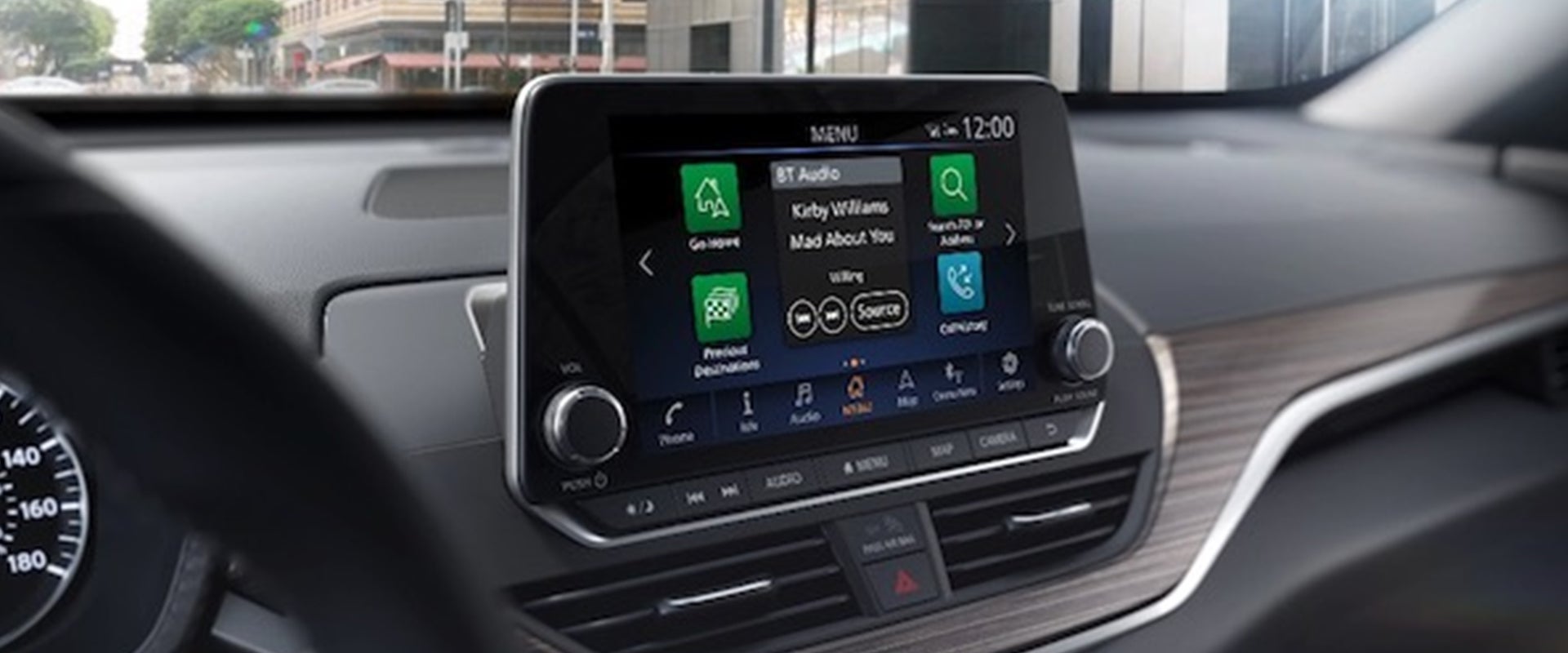
The 2010s were a great decade for technological innovation, and that includes innovations that made driving safer, easier, more efficient and more fun. So before we jump into a whole new decade of groundbreaking technologies, we thought we'd take a look back at some of the automotive developments that really came into their own in the 2010s. While not all of these were invented in the 2010s, many of them gained widespread acceptance in the past decade, finding their way into even lower-priced vehicles. And when you're ready to get behind the wheel of the vehicles of the future that you can drive right now, come see us at McLarty Daniel Nissan, or check our our great selection of quality Nissan vehicles online right now. High-Definition Digital Gauge Clusters: While having a high-definition screen to display the functions of your vehicle would have seemed like the stuff of science fiction twenty years ago, today it's actually uncommon to find a new vehicle without one. These days, high-definition automotive displays are quickly supplanting analogue gauges in many vehicles, giving drivers the ability to customize the information they receive from their vehicles and even customize the way the way the virtual gauges look, with some systems having the ability to switch between retro-look or futuristic digital gauges and more. In-Dash High-Definition Touchscreens: Similar to the digital gauge clusters we talked about above, center-dash high-def touchscreens are becoming standard equipment in most new vehicles, giving drivers instant access to helpful functions like turn-by-turn navigation, smartphone integration and hands-free calling, backup cameras, hitch-view cameras that take the anxiety and guesswork out of hitching a trailer, 360-degree birds-eye views of the surrounding area and more. Some touchscreen systems can even make restaurant suggestions for you, or allow you to pay for fuel right from the screen. Hands-Free Liftgates: While there was a time when opening the rear hatch of your SUV or van while you had your hands full meant precariously juggling your packages while digging in your pocket for your keys, many vehicles today offer the convenience of a hands-free liftgate. On SUVs and vans equipped with the feature, the vehicle automatically detects the keyfob in your pocket as you approach, then opens when you perform a specific gesture, such as waving your foot under a specific spot below the rear bumper. At that, the hatch magically pops and lifts without so much as an "open sesame" or "abracadabra." Hybrid and full-electric cars: Finding our way toward a more eco-friendly and sustainable future means that at some point, a large portion of society is going to have to make the change-over from gasoline and diesel vehicles to vehicles powered by sources that pollute less and conserve more. The world took a great leap toward that goal in the 2010s, with the widespread acceptance of hybrid and all-electric vehicles like the Nissan Leaf. With the rollout of better battery technologies, more efficient electric motors, and the construction of widespread fast-charging networks, the 2020s should see another big leap forward for hybrid and electric vehicles. Overall Fuel Efficiency: The 2010s started with a fuel crunch, which led many manufacturers to take on the engineering and technology hurdles associated with making cars, trucks, vans and SUVs go further on less fuel. From hybrid technologies to modern turbocharging that allows smaller engines to make big power from less fuel, the 2010s saw fuel efficiency skyrocket, even in traditionally fuel-hungry vehicles like full-size trucks and SUVs. Today, it's rare to find a vehicle that doesn't manage at least 20 miles per gallon fuel economy, a figure which was pretty much unheard of in larger vehicles only a decade ago.