
Regular Oil Changes
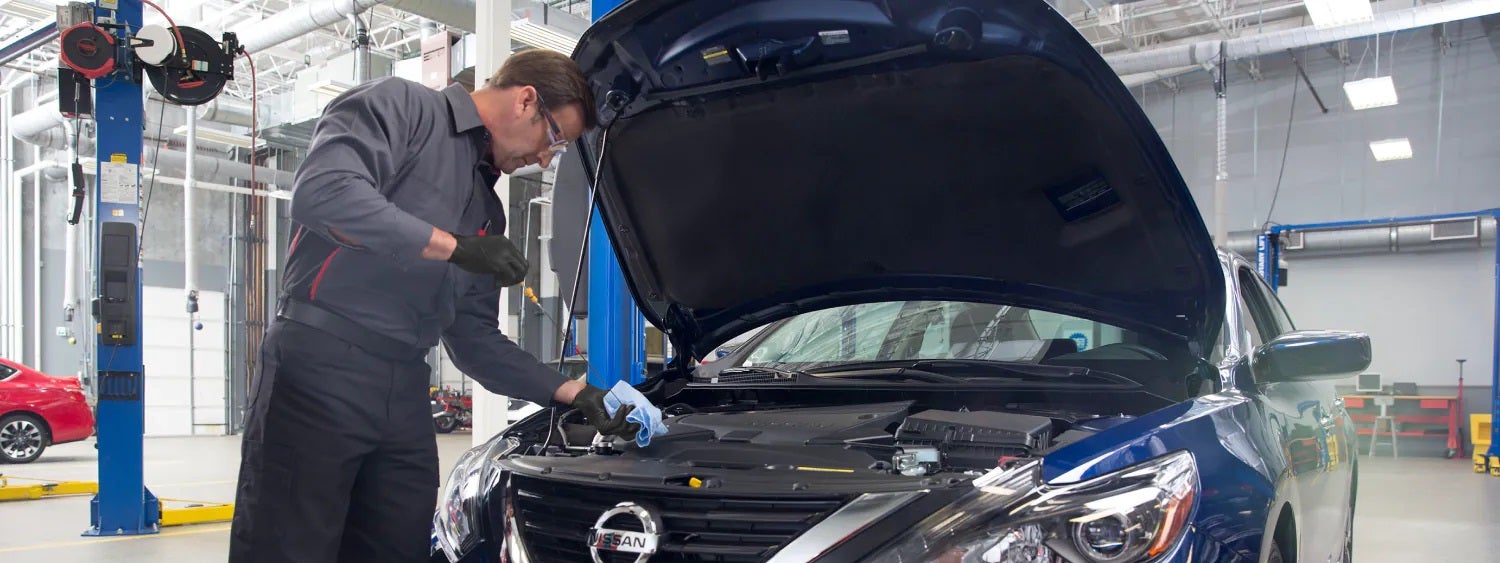
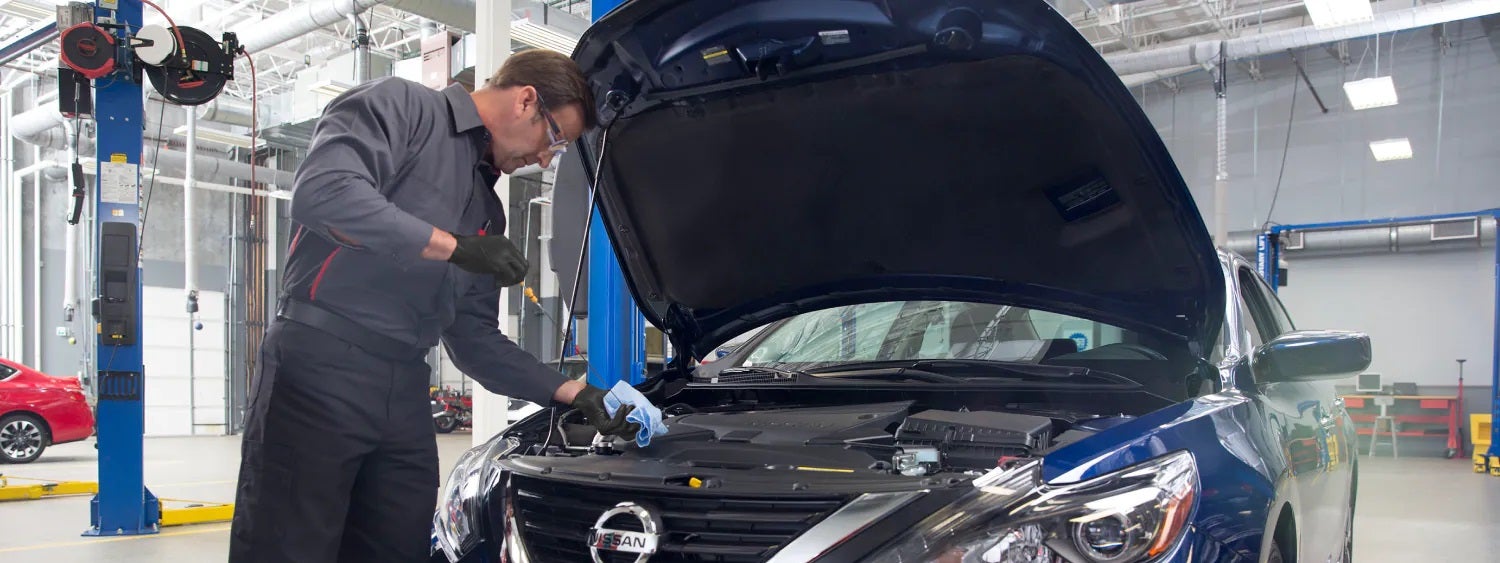
One of the most critical aspects of Nissan maintenance is regular oil changes. Engine oil lubricates moving parts, preventing friction and wear. Follow your Nissan owner's manual recommendations for oil change intervals, typically every 5,000 to 7,500 miles. Using the recommended oil grade is essential for optimal engine performance and longevity.
Check and Replace Air Filters
A clean air filter is essential for maintaining good engine performance and fuel efficiency. Check your air filter regularly and replace it as needed. Typically, it's a good idea to replace the air filter every 12,000 to 15,000 miles or as specified in your owner's manual.
Tire Care
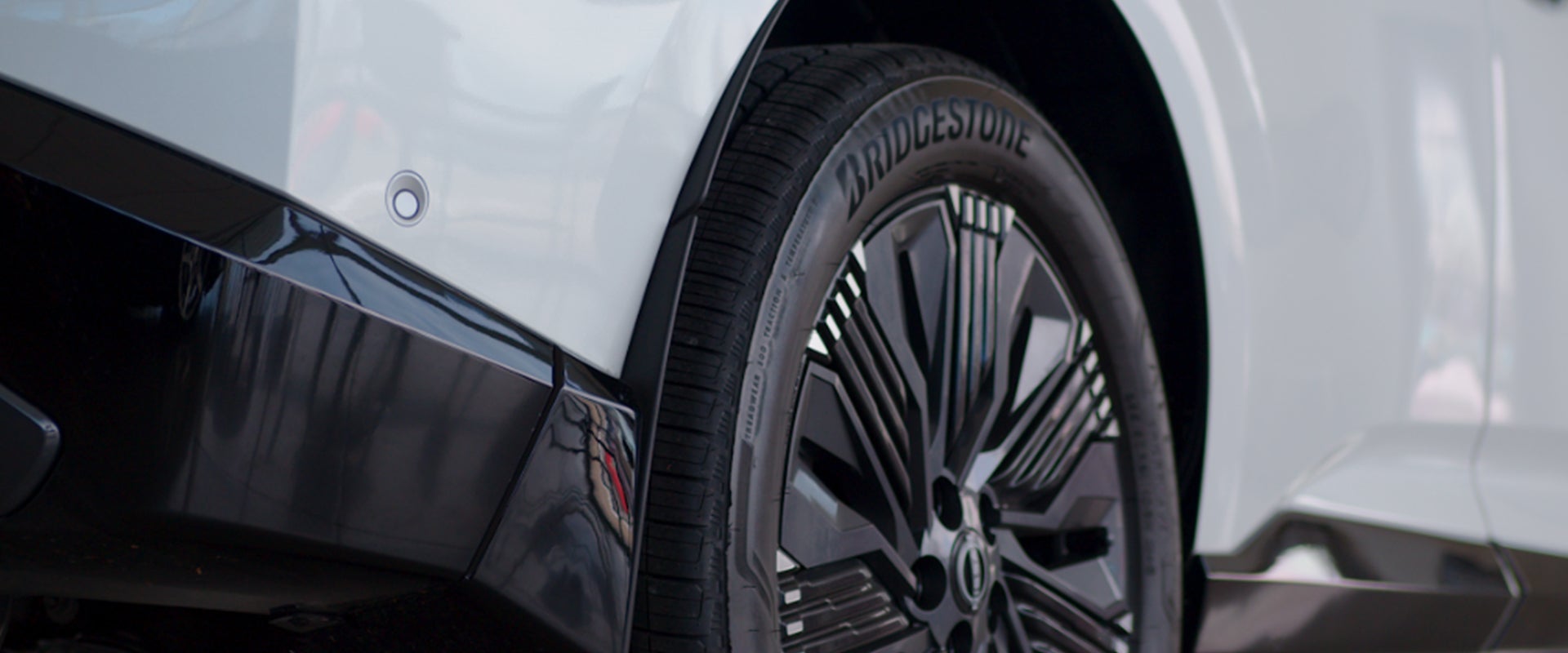
Proper tire maintenance is crucial for safety and fuel efficiency. Regularly check tire pressure and ensure it matches the recommended PSI listed in your owner's manual. Inspect the tires for signs of wear, and rotate them according to the manufacturer's recommendations. Don't forget to perform regular wheel alignments to prevent uneven tire wear and improve handling.
Brake Inspections
Your brakes are a critical safety component. Inspect your brake pads and discs for wear regularly. If you notice squeaking or grinding noises or reduced braking performance, it's time to have your brakes checked and potentially replaced. Ignoring brake issues can lead to more extensive and expensive repairs.
Fluid Levels
Regularly check and top up all essential fluids, including coolant, transmission fluid, brake fluid and power steering fluid. Low or dirty fluids can lead to engine damage or system failures. Refer to your owner's manual for recommended intervals and fluid types.
Battery Health
A well-maintained battery ensures your Nissan starts reliably. Inspect the battery terminals for corrosion, and clean them if necessary. If your battery is older than three to five years, consider having it tested for health or replaced to avoid unexpected breakdowns.
Read About Nissan Battery Services
Keep Your Nissan Clean
Regularly wash and wax your Nissan to protect its exterior from environmental elements. Clean the interior to prevent dust and debris from causing wear and tear on surfaces and components. A well-maintained vehicle not only looks better but also retains its value.
Maintain the Cooling System
The cooling system is essential to prevent your engine from overheating. Regularly check the coolant level and condition. If the coolant is low or discolored, flush and replace it following your owner's manual recommendations.
Pay Attention to Warning Lights
Modern Nissans come equipped with a range of warning lights on the dashboard. If a warning light comes on, don't ignore it. Address the issue promptly by consulting your owner's manual or visiting a Nissan service center.
Why Service Your Nissan at McLarty Daniel Nissan
Regular Professional Inspections
While some maintenance tasks can be performed at home, it's necessary to schedule regular professional inspections and servicing. Nissan-certified technicians have the expertise and equipment to identify and address potential issues before they become major problems.
Follow the Owner's Manual
Your Nissan owner's manual is a valuable resource. It provides specific maintenance schedules and guidelines tailored to your vehicle's make and model. Following these recommendations ensures you're taking the best care of your Nissan.
Be Mindful of Your Driving Habits
Your driving habits can significantly impact your Nissan's longevity. Avoid aggressive driving, excessive idling and overloading your vehicle. Gentle acceleration and braking can reduce wear and tear on your car's components.
Regular maintenance is the key to keeping your Nissan running smoothly and reliably for years to come. By following these maintenance tips and staying proactive with your vehicle care, you'll not only enjoy a trouble-free driving experience but also preserve the value of your Nissan investment.