Blog / Maintenance

Blog

All Maintenance Nissan Rogue Bentonville Nissan Dealer Frontier Comparison Travel Tips Altima Bentonville Nissan Service Electric Vehicles Leaf McLarty Daniel Nissan Service Pathfinder Titan Armada Awards Certified Pre-Owned Kicks Versa Ariya History Murano New Technology Tires Z Series
Service Blog Picture

Maximizing Fuel Efficiency: Tips That Actually Work in Northwest Arkansas

At McLarty Daniel Nissan in Bentonville, AR, we know that drivers across Bentonville, Bella Vista, Fayetteville, Rogers, and Springdale are always looking for ways to save money at the pump, especially with today’s unpredictable gas prices. Northwest Arkansas’s mix of hilly terrain, scenic highways, and stop-and-go traffic in busy areas like I-49 means your driving habits can make a big difference in your fuel economy. Here are practical tips—tested on local roads—that can help you get more miles out of every gallon. 1. Keep Your Speed Steady on Highway 71 and I-49 Cruise control isn’t just for comfort; it helps maintain a steady speed, which improves fuel efficiency. On the stretches of I-49 between Bentonville and Fayetteville, where speed limits and traffic patterns allow, using cruise control can save you fuel over time. Sudden accelerations on hills in Bella Vista or Rogers burn extra gas. 2. Lighten the Load for Steep Ozark Inclines Carrying extra weight in your vehicle can lower MPG, especially when driving up hills like those on Highway 62 toward Eureka Springs. Remove unnecessary items from your trunk, and if you have a roof rack, consider removing it when not in use—it can reduce wind resistance and save you gas. Three Glove Box Essentials for the Bentonville Driver 3. Maintain Tire Pressure for the Arkansas Seasons Temperature changes in Northwest Arkansas—hot summers and cool fall mornings—affect tire pressure. Underinflated tires cause your engine to work harder, lowering MPG. Check your tire pressure monthly, or every time you fuel up, and follow your Nissan owner’s manual guidelines for the correct PSI. 4. Choose a Fuel-Efficient Nissan Models like the Nissan Versa and Nissan Altima are built with efficiency in mind, making them ideal for daily commutes and weekend adventures through the Ozarks. For drivers who want the added versatility of an SUV, the Nissan Rogue is a standout choice, offering impressive fuel economy. With the upcoming 2026 Rogue PHEV, even greater efficiency is on the horizon. Pairing smart fuel savings with Nissan’s proven reliability makes these models excellent picks for Northwest Arkansas drivers. 5. Keep Up with Regular Service A well-maintained engine runs more efficiently. That means timely oil changes, air filter replacements, and tune-ups at a certified service center like ours. Schedule your service at McLarty Daniel Nissan to make sure your vehicle is operating at peak performance. If you’re ready to get behind the wheel of a fuel-efficient Nissan, visit McLarty Daniel Nissan in Bentonville, AR. Whether you’re cruising around Bentonville, tackling Fayetteville traffic, or enjoying a scenic drive through Rogers and Springdale, our team can help you find the perfect vehicle to maximize your MPG.
hero12

How to know it’s time for new tires

The Easiest Way to Check Your Tread: Tire Wear Bars We all want to stay safe on the road, and one of the simplest ways to do that is by keeping an eye on our tires. Traditionally, the penny test has been the go-to method for checking tread depth, but did you know that modern tires come with built-in indicators? While the old-school penny test is surefire, most new tires make checking tread depth even easier. At McLarty Daniel Nissan, we're always working to ensure our customers are safe and their cars are running smoothly. What Are Tire Wear Indicator Bars? Tire wear indicator bars are small, raised rubber strips in your tires' grooves. If your tread wears down to the same level as these bars, it's a clear sign that your tires have hit the 2/32-inch minimum and must be replaced. Unlike the penny test, which requires an external object, wear bars are already built into the tire, making them one of the easiest ways to check tread depth at a glance. Learn More About Service at McLarty Daniel Nissan Other Ways to Measure Tread Depth While wear bars provide a convenient built-in solution, there are other ways to check your tires: Penny Test – Insert a penny into the tread with Lincoln's head facing down. If you can see all of his head, your tread is too worn, and it's time to replace your tires. Tread Depth Gauge – For a more precise measurement, a tread depth gauge can give you an exact reading in 32nds of an inch. Anything below 4/32-inch can start affecting performance, especially in wet conditions. Why Tread Depth Matters The National Highway Traffic Safety Administration estimates that 11,000 accidents are caused by tire issues every year. Your tires are the only part of your car that touches the road, so maintaining proper tread depth is crucial. Worn-out tires mean reduced traction, longer stopping distances, and a higher risk of hydroplaning in wet conditions. If your tread is too low, your tires won't be able to grip the road properly, which can be dangerous in bad weather or sudden stops. While it's easy to ignore issues with your tires, putting off service can cause issues in the future if you get caught with a flat or blow a tire on the road. Maintenance Tips for Your Nissan: Keeping Your Vehicle Running Smoothly Keep Your Tires Road-Ready Tire maintenance is a key part of vehicle safety, and with wear bars, it's easier than ever to check your tread depth. Next time you inspect your tires, take a look at these built-in indicators — you might be surprised at what you find! Need help checking your tires or looking for a new set? Visit us at McLarty Daniel Nissan for expert advice and a wide selection of options to keep you safe on the road. We have a top-tier Nissan-Certified, state-of-the-art service department ready to serve you. SCHEDULE SERVICE SERVICE OFFERS FIND TIRES ORDER PARTS PARTS OFFERS NEW INVENTORY SHOP PRE-OWNED TRADE-IN VALUE APPLY FOR FINANCING CALL US

rogue-dash

Nissan Rogue Dash Lights: Understanding What Each Light Means and How to Respond

Ever wondered what the Nissan Rogue dashboard symbols and meanings signify? As a Rogue owner, seeing a dashboard light illuminate can be a cause for concern. However, understanding what each light means and how to respond can help you stay safe on the road and avoid potential issues. In this blog post, we'll explore the various dashboard lights that may appear in your Nissan Rogue, what they indicate and the appropriate steps to take in response.And, as always, if you ever need help figuring out what your Nissan Rogue warning lights mean or one comes on to signal a repair, schedule an appointment with our service department here at McLarty Daniel Nissan in Bentonville, and we'll be glad to help. Our expert technicians are well-equipped to diagnose and address any concerns with your vehicle so that you can continue to enjoy a smooth and worry-free driving experience. 1. Check Engine Light The check engine light is one of the most common dashboard lights that Nissan Rogue owners may encounter. This light typically indicates a problem with the engine or emissions system. When the check engine light comes on, it's important to have your vehicle inspected by a qualified mechanic as soon as possible to diagnose and address any underlying issues. Schedule Service Now 2. Tire Pressure Monitoring System (TPMS) Light The TPMS light alerts you when one or more of your tires is significantly underinflated. Driving with low tire pressure can compromise handling, fuel efficiency and tire longevity. If the TPMS light illuminates, check your tire pressure as soon as possible and inflate your tires to the recommended PSI. 3. Battery Light The battery light indicates a problem with your vehicle's charging system. This could be due to a faulty battery, alternator, or charging system component. If the battery light comes on while driving, it's best to pull over safely and have your vehicle inspected by a professional technician. Maintenance Tips For Your Nissan: Keeping Your Vehicle Running Smoothly 4. Brake System Warning Light The brake system warning light may illuminate for several reasons, including low brake fluid levels, worn brake pads, or a malfunction in the braking system. If the brake system warning light comes on, it's essential to have your brakes inspected immediately for safe braking performance. 5. Oil Pressure Warning Light The oil pressure warning light indicates low oil pressure, which can lead to engine damage if not addressed promptly. If this light comes on while driving, pull over safely and check your oil level. If the oil level is low, top it up as needed. If the light remains on after adding oil, have your vehicle inspected by a mechanic. 6. Airbag Warning Light The airbag warning light alerts you to a problem with the airbag system. This could indicate a malfunction in the airbag sensors, wiring or deployment system. If the airbag warning light comes on, have your vehicle inspected by a certified technician to diagnose and repair any issues. 7. Transmission Temperature Warning Light The transmission temperature warning light indicates that the transmission fluid temperature is too high, which can lead to transmission damage if not addressed. If this light comes on, pull over safely and allow your vehicle to cool down. Check the transmission fluid level and ensure it is within the recommended range. If the light remains on, have your vehicle inspected by a professional technician. Let McLarty Daniel Service Your Vehicle Understanding the meaning of dashboard lights in your Nissan Rogue and knowing how to respond can help you address potential issues promptly and maintain your vehicle's performance and safety. If you ever encounter a dashboard light that you're unsure about, don't hesitate to consult your owner's manual or schedule an appointment at McLarty Daniel Nissan in Bentonville. We're here to help with your vehicle needs!

hero

Maintenance Tips for Your Nissan: Keeping Your Vehicle Running Smoothly

Your Nissan vehicle is a reliable and valuable investment, and like any investment, it requires regular maintenance to keep it running smoothly and efficiently. Proper maintenance not only extends the lifespan of your Nissan but also ensures your safety on the road. In this comprehensive guide, we'll walk you through essential maintenance tips to help you take care of your Nissan and avoid costly repairs down the road. Regular Oil Changes One of the most critical aspects of Nissan maintenance is regular oil changes. Engine oil lubricates moving parts, preventing friction and wear. Follow your Nissan owner's manual recommendations for oil change intervals, typically every 5,000 to 7,500 miles. Using the recommended oil grade is essential for optimal engine performance and longevity. Schedule an Oil Change Check and Replace Air Filters A clean air filter is essential for maintaining good engine performance and fuel efficiency. Check your air filter regularly and replace it as needed. Typically, it's a good idea to replace the air filter every 12,000 to 15,000 miles or as specified in your owner's manual. Tire Care Proper tire maintenance is crucial for safety and fuel efficiency. Regularly check tire pressure and ensure it matches the recommended PSI listed in your owner's manual. Inspect the tires for signs of wear, and rotate them according to the manufacturer's recommendations. Don't forget to perform regular wheel alignments to prevent uneven tire wear and improve handling. Browse Nissan Tire Services Brake Inspections Your brakes are a critical safety component. Inspect your brake pads and discs for wear regularly. If you notice squeaking or grinding noises or reduced braking performance, it's time to have your brakes checked and potentially replaced. Ignoring brake issues can lead to more extensive and expensive repairs. Fluid Levels Regularly check and top up all essential fluids, including coolant, transmission fluid, brake fluid and power steering fluid. Low or dirty fluids can lead to engine damage or system failures. Refer to your owner's manual for recommended intervals and fluid types. Battery Health A well-maintained battery ensures your Nissan starts reliably. Inspect the battery terminals for corrosion, and clean them if necessary. If your battery is older than three to five years, consider having it tested for health or replaced to avoid unexpected breakdowns. Read About Nissan Battery Services Keep Your Nissan Clean Regularly wash and wax your Nissan to protect its exterior from environmental elements. Clean the interior to prevent dust and debris from causing wear and tear on surfaces and components. A well-maintained vehicle not only looks better but also retains its value. Maintain the Cooling System The cooling system is essential to prevent your engine from overheating. Regularly check the coolant level and condition. If the coolant is low or discolored, flush and replace it following your owner's manual recommendations. Pay Attention to Warning Lights Modern Nissans come equipped with a range of warning lights on the dashboard. If a warning light comes on, don't ignore it. Address the issue promptly by consulting your owner's manual or visiting a Nissan service center. Why Service Your Nissan at McLarty Daniel Nissan Regular Professional Inspections While some maintenance tasks can be performed at home, it's necessary to schedule regular professional inspections and servicing. Nissan-certified technicians have the expertise and equipment to identify and address potential issues before they become major problems. Follow the Owner's Manual Your Nissan owner's manual is a valuable resource. It provides specific maintenance schedules and guidelines tailored to your vehicle's make and model. Following these recommendations ensures you're taking the best care of your Nissan. Be Mindful of Your Driving Habits Your driving habits can significantly impact your Nissan's longevity. Avoid aggressive driving, excessive idling and overloading your vehicle. Gentle acceleration and braking can reduce wear and tear on your car's components. Regular maintenance is the key to keeping your Nissan running smoothly and reliably for years to come. By following these maintenance tips and staying proactive with your vehicle care, you'll not only enjoy a trouble-free driving experience but also preserve the value of your Nissan investment.

hero

Why Service Your Nissan at McLarty Daniel Nissan

As a caring Nissan owner, making sure your investment stays in top shape is key. When it comes to service and maintenance, you might wonder: local mechanic or Nissan dealer? Let's explore why choosing the dealer (especially us at McLarty Daniel Nissan in Bentonville, Arkansas) is the way to go. Keep reading for five reasons SCHEDULE YOUR SERVICE APPOINTMENT TODAY Dealer Relationship It may seem apparent, but the ideal place to meet a Nissan service professional is where Nissans are sold. Dealer technicians are educated to provide a level of service that is not usually available. In an independent shop, your automobile is only one of a dozen that day. But at a Nissan store, the mechanic knows your car's model and trim level inside and out. Also, dealership experts will follow Nissan's suggested service schedule. Consistent visits to the dealer will not only create relationships with technicians but also with the dealer. This will come in handy when you need to buy a second Nissan to accommodate an expanding family. Nissan Experts Many shops claim to be experts in particular aspects of your automobile, such as a transmission business claiming to have transmission experts. This may or may not be true. Any random store can claim to have experts, but it's difficult to evaluate if their claims are accurate or whether their "specialist" is a "jack of all trades" who changes hats for each task that comes in. However, Nissan certified dealership professionals learn to undertake specific repairs or maintenance procedures. The trained technicians frequently specialize in one make or model. It's simple to trust a technician who has the full support of Nissan. Warranties Dealer warranties set them apart from other repair businesses. First, the dealer gets direct access to the manufacturer's warranty information for every Nissan model. So they'll know instantly if any maintenance or repairs are covered and may proceed immediately. A business won't usually conduct a free repair unless they've established they'll be reimbursed by Nissan. And if they aren't approved, they can't. A second option is that if your Nissan needs a repair that is not covered by the dealer warranty, the dealer can give a service guarantee that is recognized by other dealers across the country. Normal repair shops cannot provide this. Recalls Manufacturer recalls are another reason why dealers beat repair businesses. They not only know about manufacturer recalls early, but can get replacement components sooner. Manufacturer recalls are only sent to repair shops once a month. Most manufacturers require a paid membership to receive alerts. If the shop hasn't been notified or has let their membership lapse, they may not be aware of the recall and may let your car depart in a dangerous state. Manufacturer recalls are sent to dealers regularly and customers are contacted quickly. When a Nissan is serviced, it is immediately examined for ongoing recalls. If one exists, they normally have the part on hand to make the replacement without charge. Check if Your Nissan Needs a Recall Facilities The experience at a Nissan dealer is far superior to that of an average vehicle repair shop. The waiting room and service area are generally cleaner, better manned, larger, and more organized. The receptionist and the bathrooms are considerably nicer too. If you're looking to have your Nissan vehicle serviced or even repaired and live in Centerton, Bella Vista, Bentonville, Eureka Springs, Fayetteville, Pea Ridge, Springdale or Rogers, Arkansas, we invite you to make an online appointment at McLarty Daniel Nissan in Bentonville. Our Nissan service advisors will take it from there, offering you high-quality service at an affordable price.

rogue

Certified Pre-Owned vs Used Nissans

Deciding between a used car and a Certified Pre-Owned (CPO) vehicle? It's a big choice, but we're here to help! At McLarty Daniel Nissan in Bentonville, AR, we know that buying a car is a major investment, and we want to make sure you have all the information you need. With so many factors to consider—price, reliability, warranty coverage, and long-term value—it can feel overwhelming. But don't worry! We're here to simplify the process and help you find a vehicle that fits both your needs and budget. Let's break it down so you can figure out which option is right for you. Buying Used: A Smart Way to Save The biggest perk of buying a used car? The price. Used vehicles are generally more affordable because they've already been through some depreciation. In fact, a new car can lose over 20 percent of its value in the first year alone. When you buy used, someone else has already taken that hit, meaning you get more car for your money. Maintenance Tips for Your Nissan Another plus? You can research the vehicle's history with a report that shows past accidents, service records, and ownership details. While used cars don't usually come with a warranty, you can often purchase one separately for added peace of mind. And since used car prices are typically more negotiable, you might even score a better deal! View Our Used Inventory Now Certified Pre-Owned: Like New, Without the New Price Tag If you love the idea of a nearly new car but want to save some cash, a CPO vehicle could be the perfect middle ground. These cars go through a rigorous multi-point inspection, meet strict age and mileage requirements, and come with manufacturer-backed warranties. CPO vehicles typically have fewer miles and are in excellent condition, plus they often include perks like roadside assistance, free maintenance, and even satellite radio trials. While they do cost more than a standard used car, that extra investment gets you added protection and confidence in your purchase. Pro tip: Even with a CPO vehicle, it's always a good idea to have an independent mechanic check it out. While we conduct thorough inspections at McLarty Daniel Nissan, we totally understand wanting a second opinion before making a decision. Explore Our CPO Inventory Which Option Is Best for You? It really depends on what matters most to you—budget, warranty coverage, and long-term peace of mind. Think about what fits your needs in terms of brand, model, trim, fuel efficiency, and, of course, price. If you plan to keep your vehicle for a long time, warranty coverage and reliability may be top priorities. On the other hand, if you're looking for the best value upfront, a used car might be the way to go. At McLarty Daniel Nissan, we're here to guide you through the process. Our team will take the time to understand your needs, budget, and lifestyle to help you make an informed decision. Whether you're leaning toward a budget-friendly used car or the added security of a CPO vehicle, we have a great selection and a knowledgeable team ready to assist you every step of the way. Check out our inventory online or stop by—we'd love to help you find the perfect Nissan for your lifestyle! We're committed to making your car-buying experience as smooth and stress-free as possible.

tires

Tire Pressure Warning Light and Winter Weather

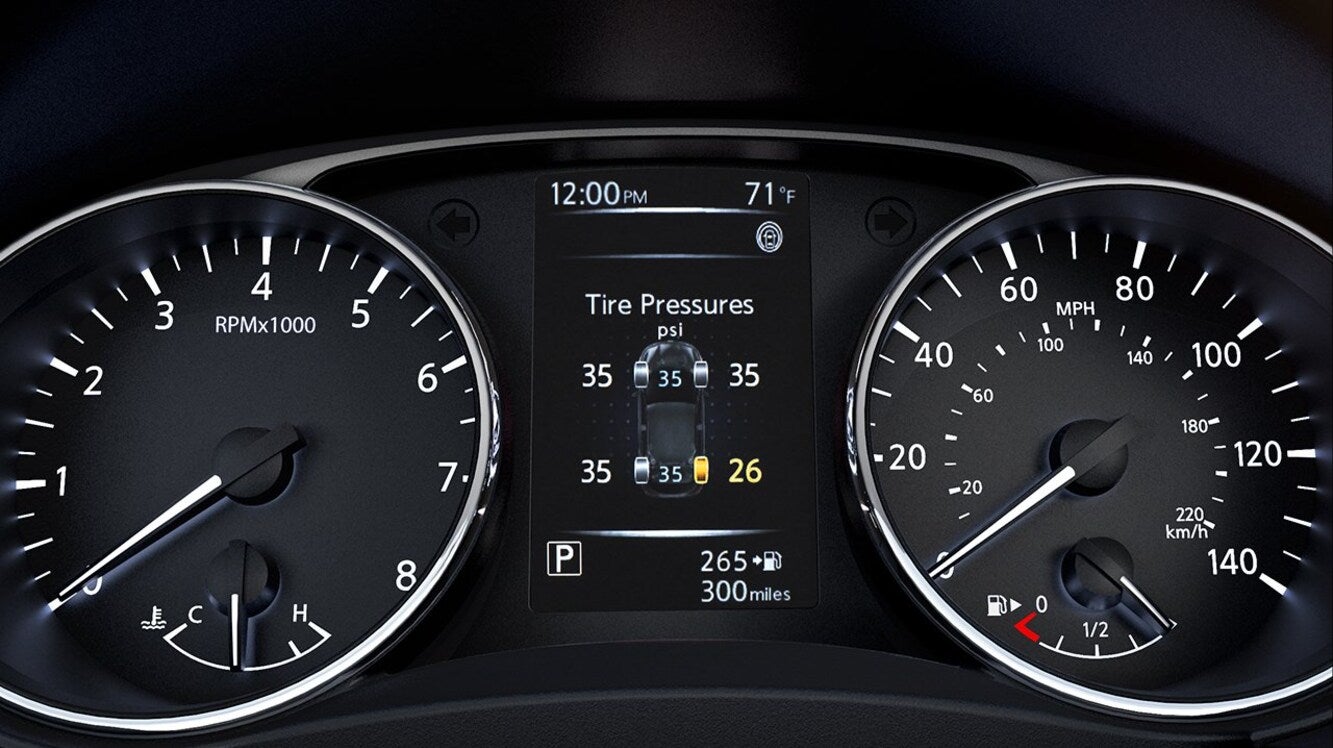
During the winter, drivers get used to a lot of different things, like the need to brush snow off your car, scrape ice off the glass, go to the car wash to get rid of salt and sand, and driving carefully in bad weather. A lot of people don't think about how important it is to keep their tires in good shape during the winter. The air inside the tire gets smaller when it's colder, which means the pressure drops more often. Air slowly seeps out of tires over time, so you'll need to get used to filling them up to the right pressure. When the temperature drops by 10 degrees, you lose one pound of tire pressure for every square inch of tire that you lose. There can be a big difference in the tires on big cars. Underinflated tires put more strain on the engine because it has to work harder to move a car on softer tires. This means the engine has to work harder, so in return, you’ll get less fuel efficiency and have a greater chance of a leak or a blowout. Tire pressure recommendations from the manufacturer are in the car's owner's manual or on a sticker that is on the driver's side door. You can check the tire pressure with a pressure gauge or with the car's tire pressure monitoring system. Once a week, check the tire pressure to make sure it's not low. When you keep the pressure in your tires at the right level, you can save money at the pump and have a smoother and safer drive. You'll get the best reading in the morning. If you've recently driven the car or the tires have been outside in the sun, the readings will read more inflated due to the increase of temperature throughout the day. Treat yourself to a new pair of tires and let us keep you on the road this winter at McLarty Daniel Nissan, which serves the communities of Centerton, Bella Vista, Bentonville, Eureka Springs, Fayetteville, Pea Ridge, Springdale, and Rogers, Arkansas. Visit us today and let our professionals handle all of your tire requirements!

Contact Us

Fill out this form below and we'll contact you shortly
*Required Fields