

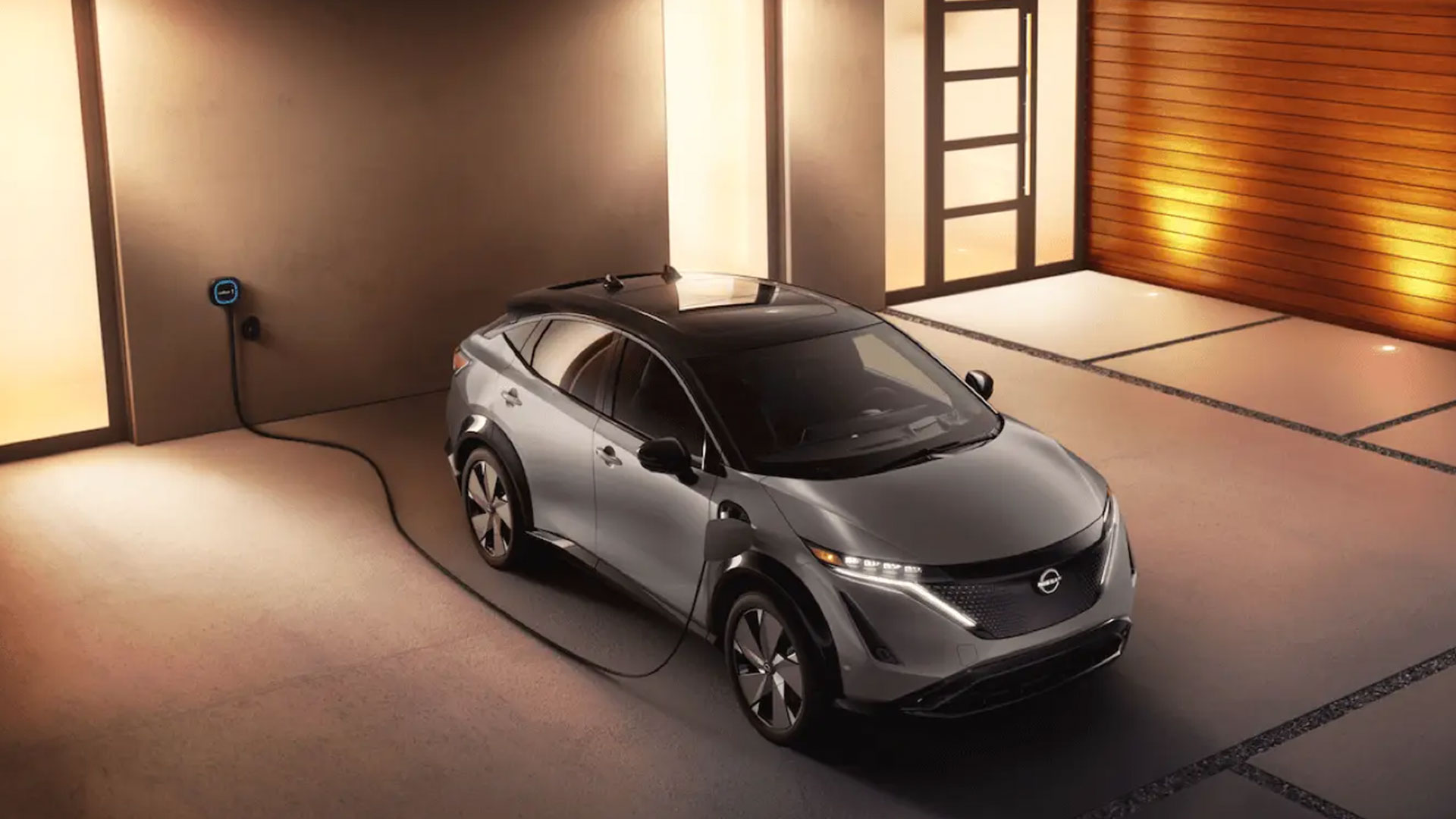
You may utilize home charging stations to keep your electric car juiced up and ready to go to work. However, if you’re new to electric-vehicle life, it’s easy to get confused while determining which type of electric vehicle charging equipment to place in your garage. Understanding the contrasts between Level 1 and Level 2 stations may help you in determining the charger you require to keep the power flowing in your car.
Because a Level 1 charger can be connected to a 120-volt outlet, it is the simplest way to charge at home. On the other hand, it may take an extended period of time to recharge your battery. In general, plug-ins could expect 4.5 miles of driving for every hour of charging, however, this varies depending on the battery capacity. A pure-electric battery can run for up to 20 hours, whereas a hybrid battery can run for as little as seven hours. If you repeatedly deplete your battery to nothing and want immediate power, Level 1 will not suffice. If you only travel short distances and have the patience to let it charge slowly overnight, this may be the choice for you. Simply ensure that you have a backup plan in place in the event that you require something more powerful immediately.
A Level 2 charging station is a substantial investment, but it will pay off in the long run. These 240-volt chargers, capable of delivering up to 32 Amps of energy, require professional installation. Depending on the brand and kind of car you drive, you may fill up around five times faster than with a Level 1 charger. There are a lot of reasons to upgrade from your Level 1 charging station. A Level 2 charger is the ideal option for people who often drive long distances, do not have access to a high-powered charger near their home or place of employment, or just don’t want to wait hours to get their car back on the road.
The 240-volt portable charger is an excellent solution if your garage lacks the room for a Level 2 Wallbox. Even though this charger is smaller and lighter than a Level 1 station, it gives three times the power! Even if you do not have an outlet with a suitable voltage, you may charge your car slowly and carry your charger with you if necessary.
With this knowledge, you can make the most energy-efficient choices for your car. With the proper domestic EV charging choices, you can get the most out of your plug-in vehicle. Driving a zero-emission vehicle is significantly easier and more enjoyable if you have all of the necessary equipment to keep your battery charged right in your garage.
Connect with us


- August 2025
- February 2025
- September 2024
- August 2024
- July 2024
- April 2024
- March 2024
- February 2024
- October 2023
- September 2023
- August 2023
- July 2023
- June 2023
- May 2023
- April 2023
- June 2022
- May 2022
- March 2022
- January 2022
- December 2021
- November 2021
- October 2021
- August 2021
- July 2021
- June 2021
- May 2021
- February 2020
- January 2020