

Nissan Rogue Dash Lights: Understanding What Each Light Means and How to Respond
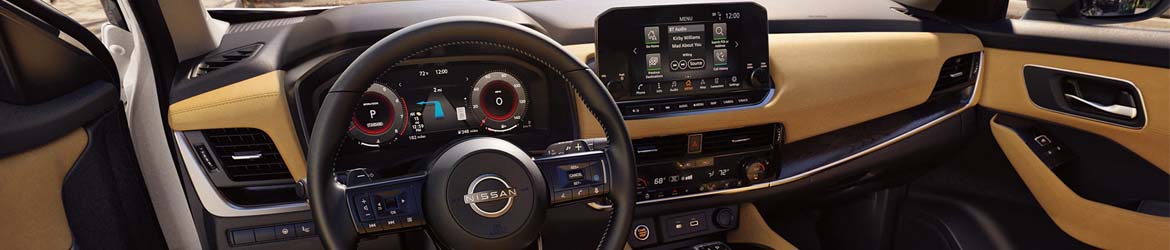
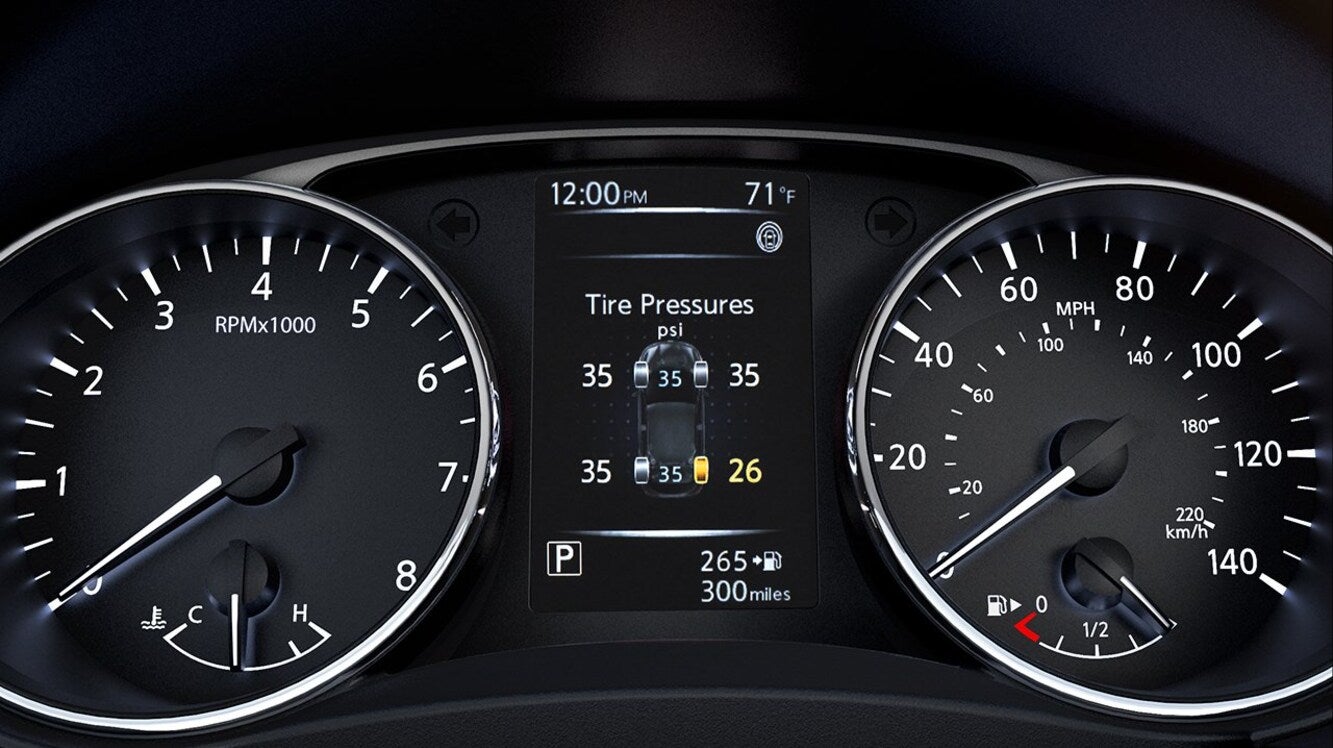
During the winter, drivers get used to a lot of different things, like the need to brush snow off your car, scrape ice off the glass, go to the car wash to get rid of salt and sand, and driving carefully in bad weather. A lot of people don't think about how important it is to keep their tires in good shape during the winter. The air inside the tire gets smaller when it's colder, which means the pressure drops more often. Air slowly seeps out of tires over time, so you'll need to get used to filling them up to the right pressure. When the temperature drops by 10 degrees, you lose one pound of tire pressure for every square inch of tire that you lose. There can be a big difference in the tires on big cars. Underinflated tires put more strain on the engine because it has to work harder to move a car on softer tires. This means the engine has to work harder, so in return, you’ll get less fuel efficiency and have a greater chance of a leak or a blowout. Tire pressure recommendations from the manufacturer are in the car's owner's manual or on a sticker that is on the driver's side door. You can check the tire pressure with a pressure gauge or with the car's tire pressure monitoring system. Once a week, check the tire pressure to make sure it's not low. When you keep the pressure in your tires at the right level, you can save money at the pump and have a smoother and safer drive. You'll get the best reading in the morning. If you've recently driven the car or the tires have been outside in the sun, the readings will read more inflated due to the increase of temperature throughout the day. Treat yourself to a new pair of tires and let us keep you on the road this winter at McLarty Daniel Nissan, which serves the communities of Centerton, Bella Vista, Bentonville, Eureka Springs, Fayetteville, Pea Ridge, Springdale, and Rogers, Arkansas. Visit us today and let our professionals handle all of your tire requirements!
At McLarty Daniel Nissan in Bentonville, AR, we know that drivers across Bentonville, Bella Vista, Fayetteville, Rogers, and Springdale are always looking for ways to save money at the pump, especially with today’s unpredictable gas prices. Northwest Arkansas’s mix of hilly terrain, scenic highways, and stop-and-go traffic in busy areas like I-49 means your driving habits can make a big difference in your fuel economy. Here are practical tips—tested on local roads—that can help you get more miles out of every gallon. 1. Keep Your Speed Steady on Highway 71 and I-49 Cruise control isn’t just for comfort; it helps maintain a steady speed, which improves fuel efficiency. On the stretches of I-49 between Bentonville and Fayetteville, where speed limits and traffic patterns allow, using cruise control can save you fuel over time. Sudden accelerations on hills in Bella Vista or Rogers burn extra gas. 2. Lighten the Load for Steep Ozark Inclines Carrying extra weight in your vehicle can lower MPG, especially when driving up hills like those on Highway 62 toward Eureka Springs. Remove unnecessary items from your trunk, and if you have a roof rack, consider removing it when not in use—it can reduce wind resistance and save you gas. Three Glove Box Essentials for the Bentonville Driver 3. Maintain Tire Pressure for the Arkansas Seasons Temperature changes in Northwest Arkansas—hot summers and cool fall mornings—affect tire pressure. Underinflated tires cause your engine to work harder, lowering MPG. Check your tire pressure monthly, or every time you fuel up, and follow your Nissan owner’s manual guidelines for the correct PSI. 4. Choose a Fuel-Efficient Nissan Models like the Nissan Versa and Nissan Altima are built with efficiency in mind, making them ideal for daily commutes and weekend adventures through the Ozarks. For drivers who want the added versatility of an SUV, the Nissan Rogue is a standout choice, offering impressive fuel economy. With the upcoming 2026 Rogue PHEV, even greater efficiency is on the horizon. Pairing smart fuel savings with Nissan’s proven reliability makes these models excellent picks for Northwest Arkansas drivers. 5. Keep Up with Regular Service A well-maintained engine runs more efficiently. That means timely oil changes, air filter replacements, and tune-ups at a certified service center like ours. Schedule your service at McLarty Daniel Nissan to make sure your vehicle is operating at peak performance. If you’re ready to get behind the wheel of a fuel-efficient Nissan, visit McLarty Daniel Nissan in Bentonville, AR. Whether you’re cruising around Bentonville, tackling Fayetteville traffic, or enjoying a scenic drive through Rogers and Springdale, our team can help you find the perfect vehicle to maximize your MPG.
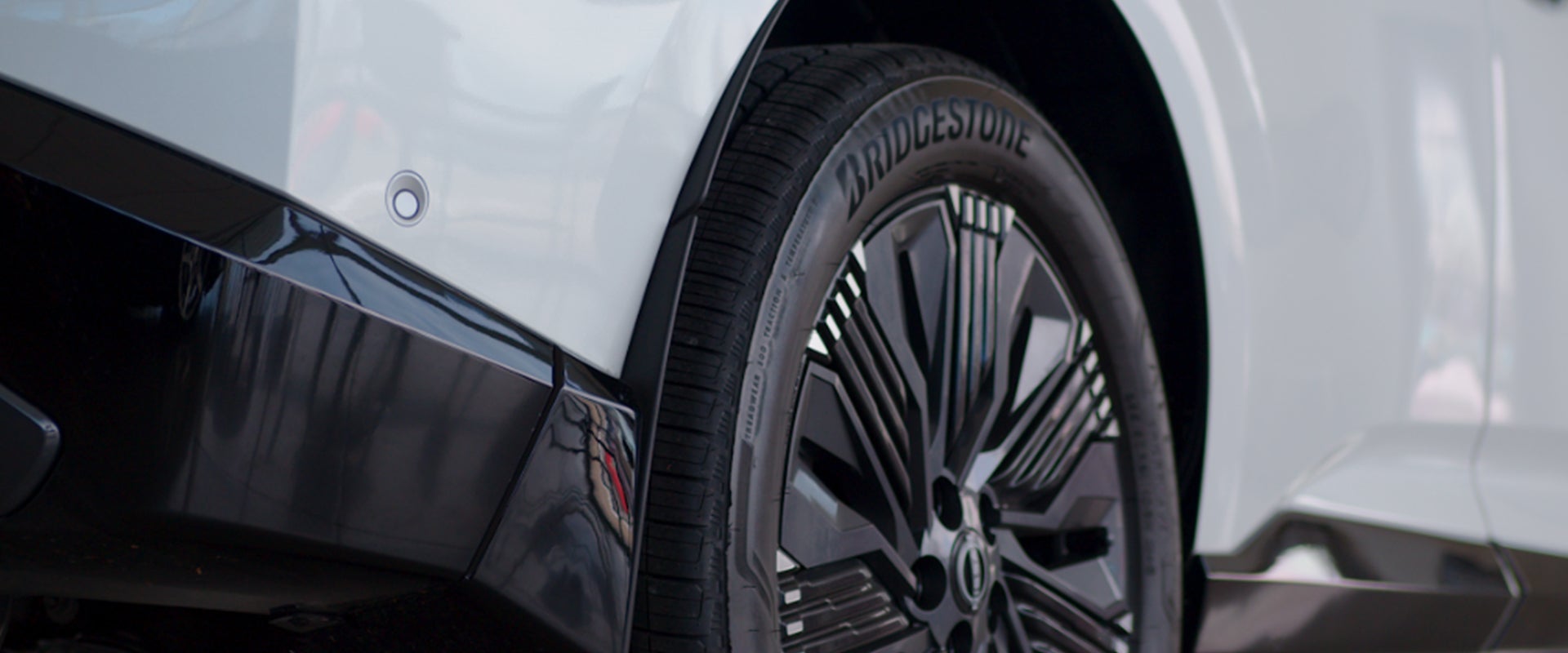
The Easiest Way to Check Your Tread: Tire Wear Bars We all want to stay safe on the road, and one of the simplest ways to do that is by keeping an eye on our tires. Traditionally, the penny test has been the go-to method for checking tread depth, but did you know that modern tires come with built-in indicators? While the old-school penny test is surefire, most new tires make checking tread depth even easier. At McLarty Daniel Nissan, we're always working to ensure our customers are safe and their cars are running smoothly. What Are Tire Wear Indicator Bars? Tire wear indicator bars are small, raised rubber strips in your tires' grooves. If your tread wears down to the same level as these bars, it's a clear sign that your tires have hit the 2/32-inch minimum and must be replaced. Unlike the penny test, which requires an external object, wear bars are already built into the tire, making them one of the easiest ways to check tread depth at a glance. Learn More About Service at McLarty Daniel Nissan Other Ways to Measure Tread Depth While wear bars provide a convenient built-in solution, there are other ways to check your tires: Penny Test – Insert a penny into the tread with Lincoln's head facing down. If you can see all of his head, your tread is too worn, and it's time to replace your tires. Tread Depth Gauge – For a more precise measurement, a tread depth gauge can give you an exact reading in 32nds of an inch. Anything below 4/32-inch can start affecting performance, especially in wet conditions. Why Tread Depth Matters The National Highway Traffic Safety Administration estimates that 11,000 accidents are caused by tire issues every year. Your tires are the only part of your car that touches the road, so maintaining proper tread depth is crucial. Worn-out tires mean reduced traction, longer stopping distances, and a higher risk of hydroplaning in wet conditions. If your tread is too low, your tires won't be able to grip the road properly, which can be dangerous in bad weather or sudden stops. While it's easy to ignore issues with your tires, putting off service can cause issues in the future if you get caught with a flat or blow a tire on the road. Maintenance Tips for Your Nissan: Keeping Your Vehicle Running Smoothly Keep Your Tires Road-Ready Tire maintenance is a key part of vehicle safety, and with wear bars, it's easier than ever to check your tread depth. Next time you inspect your tires, take a look at these built-in indicators — you might be surprised at what you find! Need help checking your tires or looking for a new set? Visit us at McLarty Daniel Nissan for expert advice and a wide selection of options to keep you safe on the road. We have a top-tier Nissan-Certified, state-of-the-art service department ready to serve you. SCHEDULE SERVICE SERVICE OFFERS FIND TIRES ORDER PARTS PARTS OFFERS NEW INVENTORY SHOP PRE-OWNED TRADE-IN VALUE APPLY FOR FINANCING CALL US